
Controls Retrofits & BAS Upgrades
Controls Retrofits & BAS Upgrades
- Existing-system survey
- Migration architecture
- Phased cutover
- Open protocol
- Documentation
Triggers
What usually drives a retrofit
- Obsolete controllers with no parts availability
- End-of-life operator workstations
- Unsupported software or an operating system that can no longer be patched
- Failed sensors and actuators accumulating faster than they are replaced
- Proprietary systems with limited service options
- Poor graphics or missing documentation
- Expansion beyond original controller capacity
- Network modernization needs
- Addition of remote access
- Addition of trends, alarms, metering or analytics
- Migration planning by floor, air system, plant or building
- A pending capital cycle that makes now the practical time
Retrofit process
How a controls migration runs
Existing-system survey
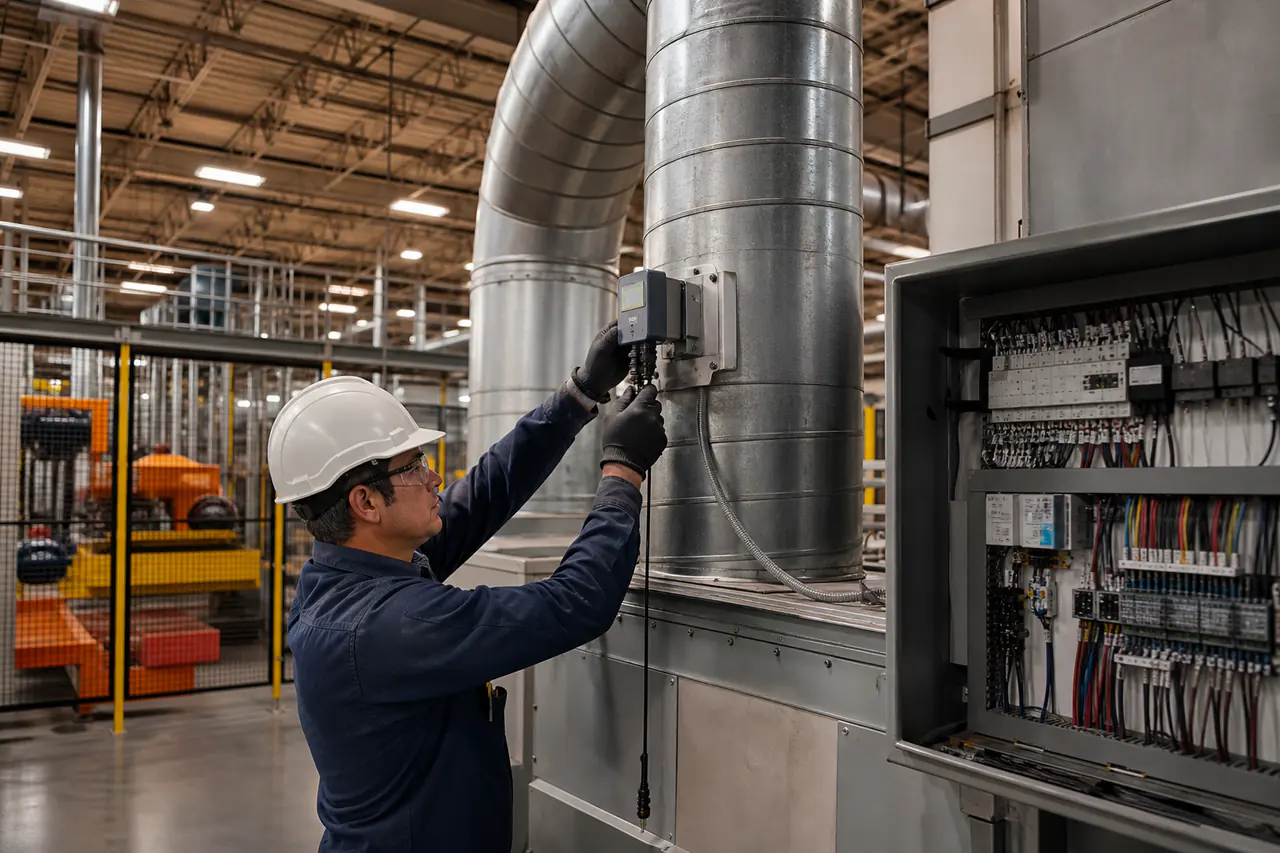
Walk the building. Open the panels. Record what is actually installed versus what the drawings claim.
Document controllers, devices & networks
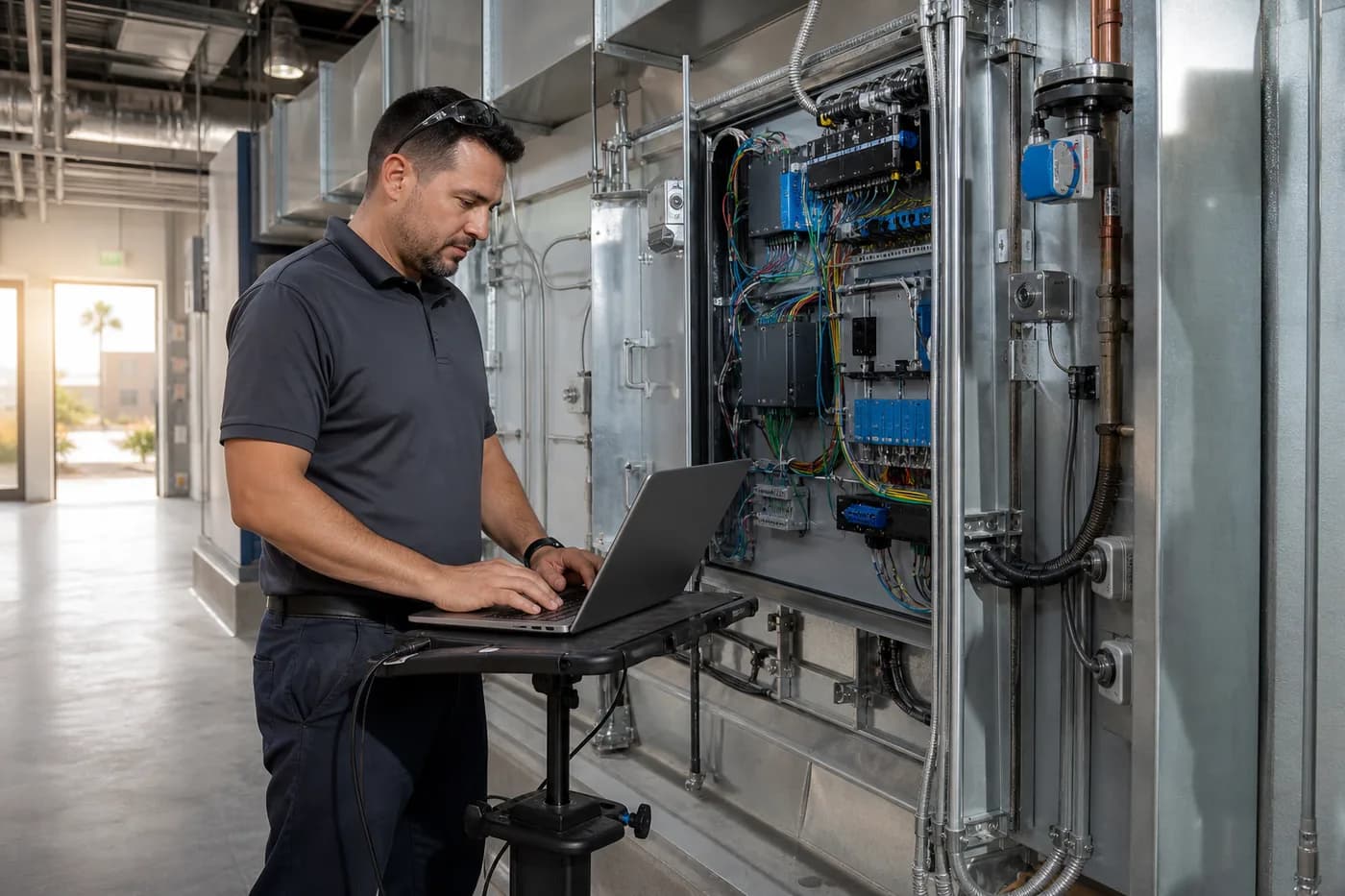
Model numbers, firmware, addresses, trunk layout, point counts and physical condition.
Identify what can be retained
Field devices, wiring, enclosures and network infrastructure that still have life in them.
Develop migration architecture
What the end state looks like, and what intermediate states the building passes through.
Estimate shutdown & cutover requirements
Which systems must come down, for how long, and what the building does meanwhile.
Phase to reduce disruption
Break the work by floor, air system, plant or building so no single outage affects everything.
Replace, integrate & reprogram
New controllers installed, legacy segments integrated where retained, sequences rebuilt.
Commission
Point-to-point checkout and functional testing on each phase as it comes online, not all at the end.
Train the owner
Facility staff trained on the new system before the old one is gone.
Archive & deliver documentation
Final record set, database backups, points list, sequences and device inventory.
Reuse vs replacement
The honest version of the reuse conversation
Contractors have an incentive to replace everything, and owners have an incentive to reuse everything. Neither is right by default.
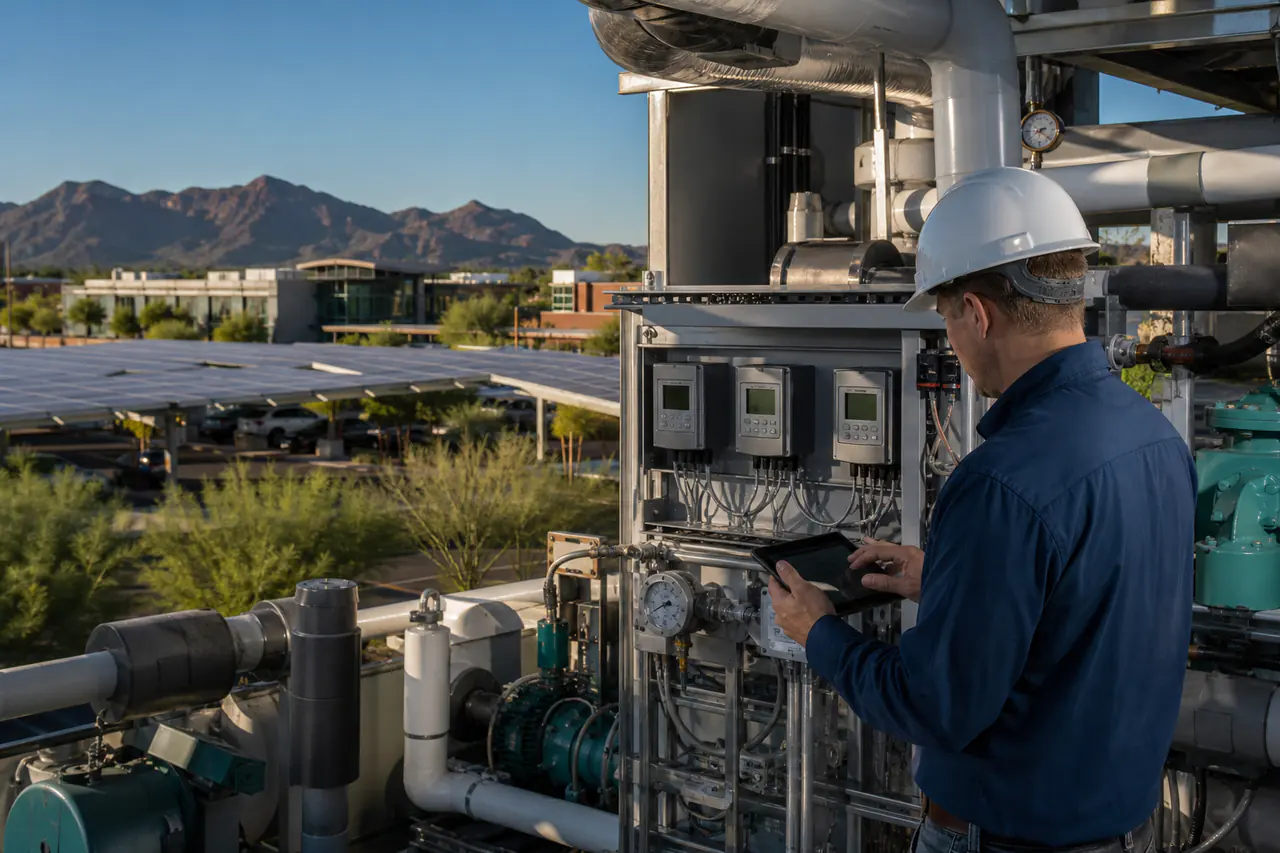
Field devices are usually where reuse pays: a well-installed duct temperature sensor or a functioning damper actuator does not care how old the controller upstream of it is. Wiring, conduit and enclosures often survive too. What rarely survives is a controller family that is out of production, an operator workstation on an unsupported OS, or a proprietary network that no one else can service.
We survey each item, note its condition, and give you a reuse-versus-replace list you can price against. Where we recommend replacement of something that still works, we say why — usually parts availability, capacity or the cost of keeping an integration alive.
Occupied buildings
Retrofitting a building that cannot shut down
Parallel operation
Where practical, new controls are installed and proven alongside the old system before anything is removed.
Defined cutover windows
Each outage scheduled, scoped and agreed in advance, with a rollback plan if the system does not come back cleanly.
System-by-system phasing
One air system, floor or plant at a time, so a problem is contained rather than building-wide.
Temporary control strategies
If equipment must run during transition, we define how before the old controls come out.
Seasonal sequencing
Cooling-critical systems retrofitted outside peak summer where the schedule allows — a real consideration in Arizona.
Staff communication
Facility teams know each week what is changing, what is temporarily different and who to call.
Questions
Frequently asked questions
Related capabilities
- Building Automation SystemsWhat you are migrating to
- Controls Service & RepairKeeping the current system alive meanwhile
- BAS System IntegrationRetaining and integrating legacy segments
- Controls CommissioningProving each phase
- Controls Engineering & ProgrammingRebuilding sequences and graphics
- Controls for Building OwnersBudget and lifecycle planning
Next step