Bleuwave Controls

Life-sciences controls

Life Sciences Environmental Controls

Environmental control, calibration records, trending, commissioning and change documentation.
  • Environmental control
  • Calibration records
  • Continuous trending
  • Commissioning rigor

Operating context

What matters in life sciences

Life-sciences environments need conditions that are controlled, recorded and defensible. Controls scopes therefore emphasize trend continuity, sensor verification, commissioning discipline and documented changes alongside the underlying HVAC sequence.

The right scope begins with the facility's actual operating constraints, existing controls and the people who will maintain the result. We document those conditions before recommending upgrades or integration work.
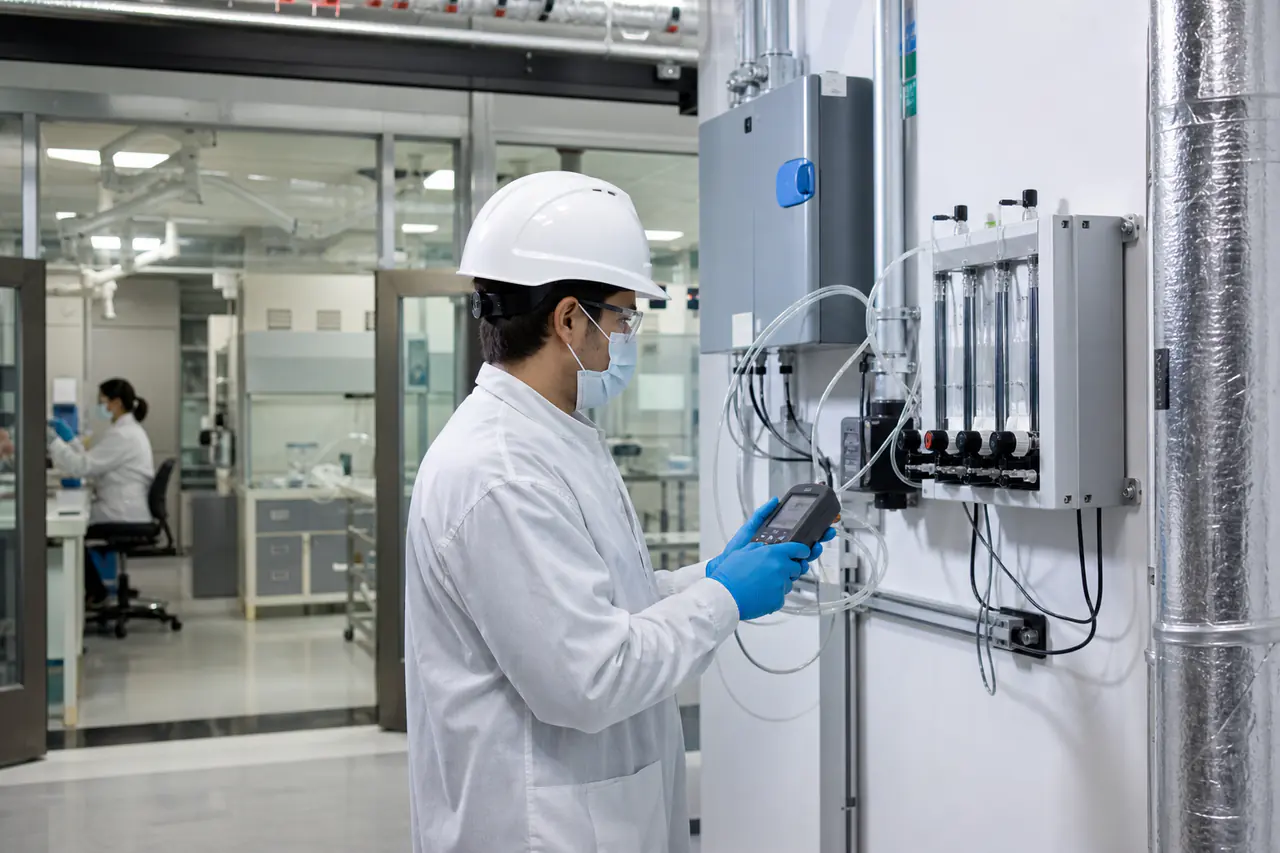
Life-sciences technician verifying environmental control instrumentation
Environmental control, calibration records, trending, commissioning and change documentation.
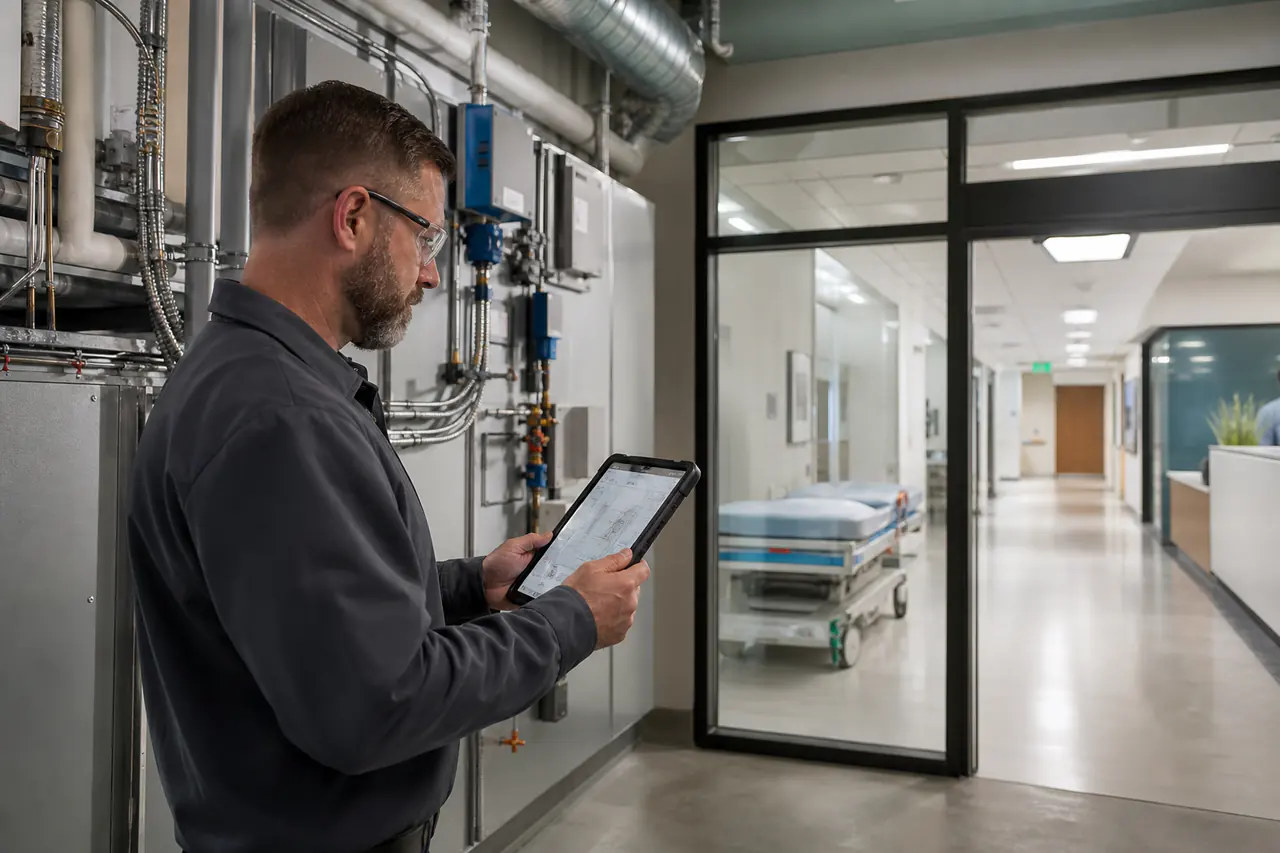
Commercial building controls equipment and field commissioning
Facility operator reviewing commercial building automation data

Priorities

Controls priorities we evaluate

The assessment and design process concentrates on the conditions most likely to affect reliability, comfort and maintainability.
  • Environmental control
  • Calibration records
  • Continuous trending
  • Commissioning rigor
  • Change documentation
  • Alarm verification

Systems

Systems that may be included

Final scope depends on installed equipment, available interfaces and project requirements.

Facility systems

Laboratory air systemsPressure monitoringTemperature and humidity controlExhaust and make-up airBAS trends and alarmsCritical equipment interfaces

Delivery

A disciplined path from assessment to operation

  1. Discover

    Review facility priorities, existing systems, operating schedules and known problems.

  2. Define

    Establish sequence intent, integration boundaries, deliverables and phasing.

  3. Implement

    Engineer, program, install and coordinate the approved controls scope.

  4. Verify

    Test points, sequences, alarms and operator workflows under real conditions.

  5. Document

    Deliver usable records and orient the team responsible for ongoing operation.

Questions

Frequently asked questions

We review existing equipment and controls, operating schedules, recurring issues, available documentation, integration needs and the outcomes the facility team needs to improve.

Often, yes. Phasing depends on controller condition, network architecture, equipment criticality and whether old and new systems can operate together during migration.

We begin by identifying the installed platforms, protocols and available interfaces. The proposed scope then states what can be reused, integrated, repaired or should be replaced.

Plan the right scope

Talk through your life sciences facility

Share the building type, current controls and operating problem. We will help identify the most useful first step.
CallServiceGet Quote